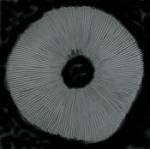
Leucoagaricus leucothites

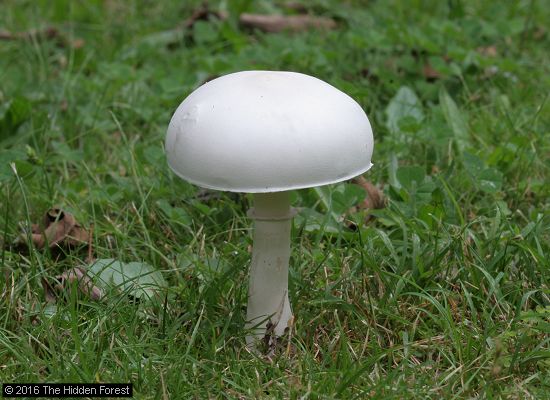
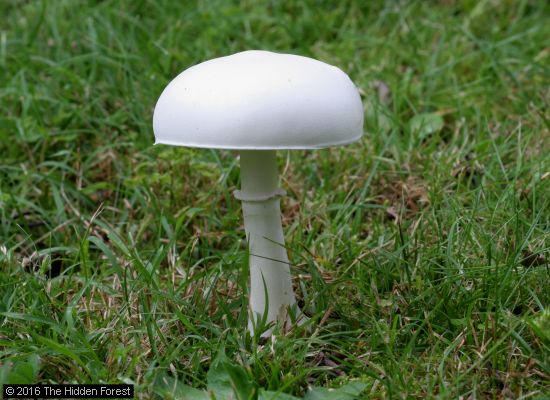
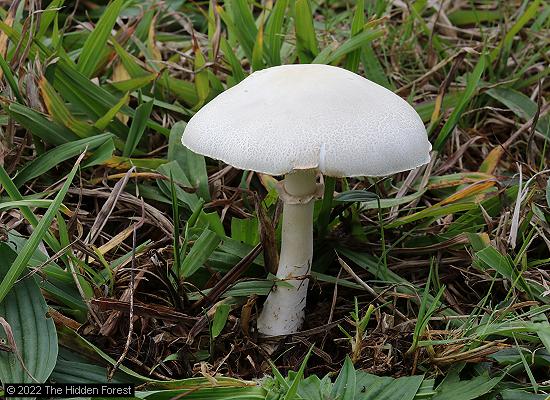
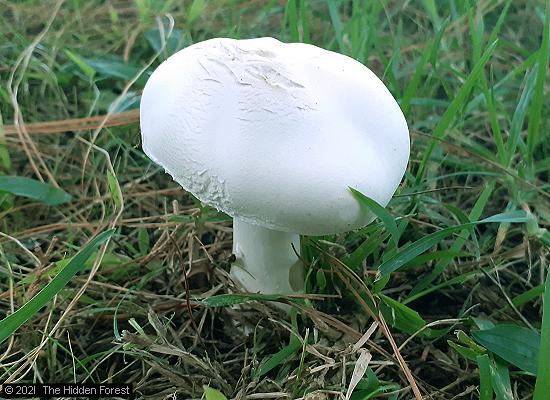
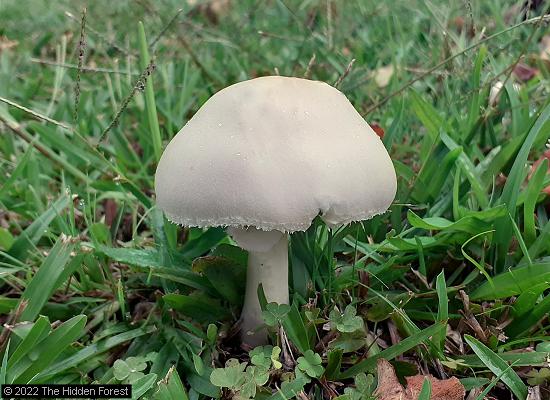
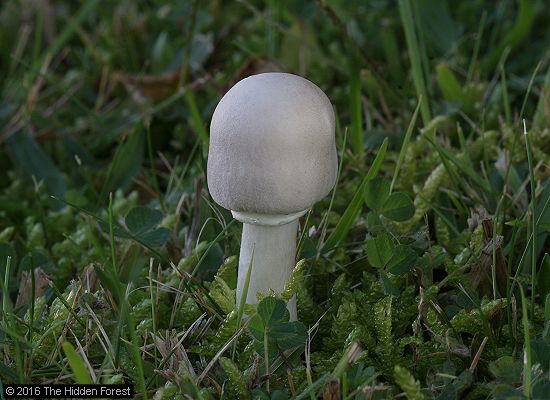
A medium‑sized, white to pale cream parasol mushroom with free gills, a persistent ring, and a white spore print. Common in lawns, gardens, parks, and disturbed ground. Often mistaken for a small Macrolepiota or a pale Agaricus, but never bruises yellow and never develops pink or brown gills.
Cap: 40-120 mm, convex, becoming planoconvex or slightly uplifted. Surface smooth, silky, or finely fibrillose, usually pure white but sometimes cream or faintly buff at the center. Margins are sometimes slightly striate when thin-fleshed. Flesh white, not reddening or yellowing when cut.
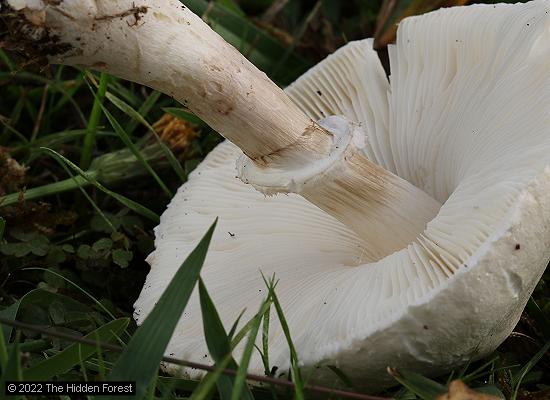
Gills: Free, crowded, broad. White, remaining pale throughout development. Edges smooth. Do not turn green (separates from Chlorophyllum molybdites) and do not darken (separates from Agaricus).
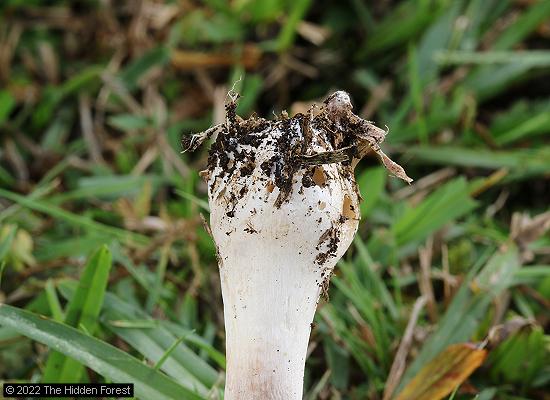
Stipe: 60-120 x 8-15 mm, slender to moderately stout, equal, or slightly bulbous. Surface white, smooth, or faintly fibrillose. Ring thin but persistent, usually superior. Flesh white and unchanging.
Bruises brown when damaged
Common name: White Dapperling, Smooth parasol.
Habitat: Grassy places, side of road, lawns, parks etc.
Substrate: Saprobic on soil.
Distribution: Common in urban and suburban environments.
Season: Late summer to early winter.
Biostatus: Exotic.
Edible: Yes, can be easily confused with one of the poisonous Amanitas.
Spore print: White.